Digital Transformation of Loyalty Programs in 2026
By Faiszal Anwar
Growth Manager & Digital Analyst
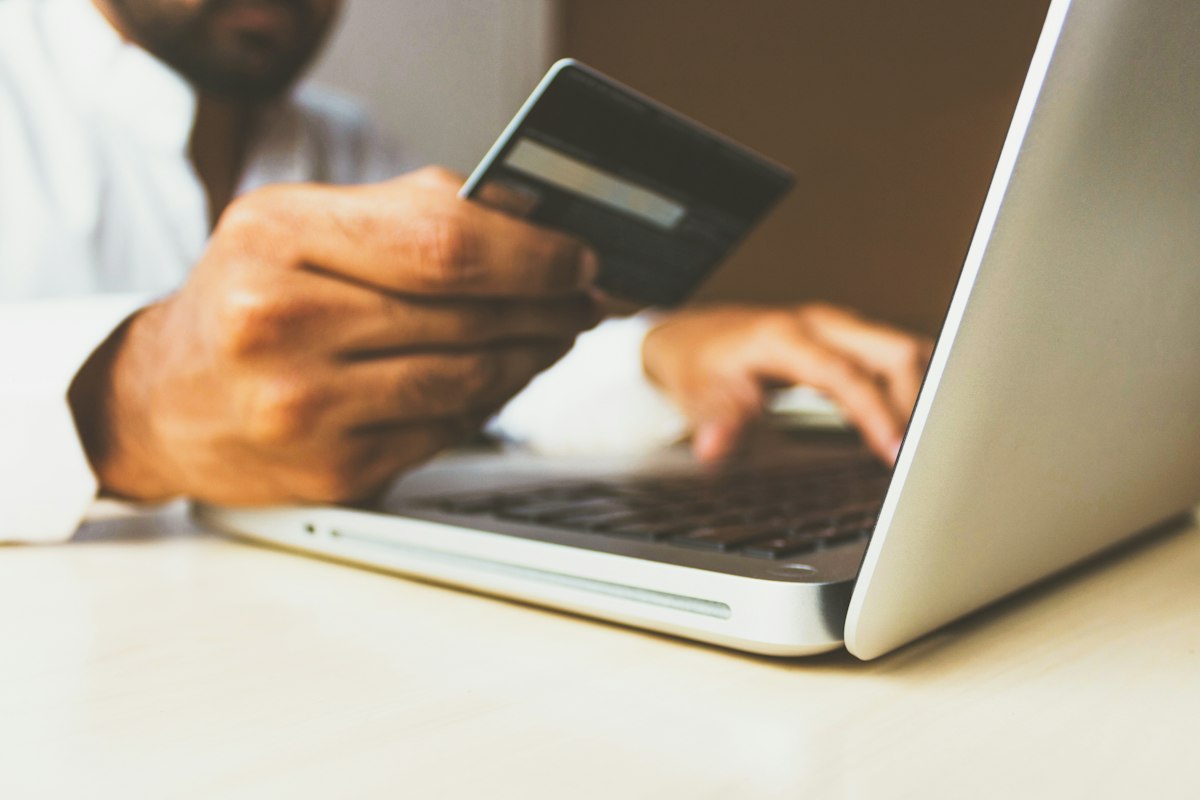
How technology is making loyalty programs more personal, more convenient, and more effective.
Introduction
Loyalty programs in 2026 look nothing like they did in 2010. Mobile apps replaced plastic cards. AI replaced gut instinct. Real-time data replaced quarterly reports.
This guide covers the digital transformation reshaping loyalty programs.
The Shift from Physical to Digital
The Card Era (2000-2015)
Paper punch cards. Plastic membership cards. Catalog mailings. Points that expired without warning.
Customers carried wallets full of loyalty cards they rarely used.
The App Era (2015-2025)
Mobile apps consolidated cards. Digital wallets stored everything. Points balances updated in real-time. Mobile notifications drove engagement.
But apps often duplicated the offline experience instead of improving it.
The Intelligent Era (2025+)
AI-powered personalization. Predictive recommendations. Frictionless payments. Experiences that adapt to individual behavior.
Key Digital Transformation Trends
1. Mobile-First Everything
Your loyalty program must work on mobile. Non-negotiable.
What this means:
- App or responsive web
- Apple Pay / Google Pay integration
- QR code payments
- Real-time notifications
Who does it well: Starbucks Rewards — mobile ordering, payment, and rewards in one place.
2. AI-Powered Personalization
Generic rewards do not work anymore. AI enables hyper-personalization.
Applications:
- Personalized offers based on purchase history
- Product recommendations based on taste profile
- Optimal timing for communications
- Churn prediction and intervention
What to look for: Programs that send “We noticed you usually order X, here is a special on Y.”
3. Gamification
Points alone do not create engagement. Games do.
Gamification elements:
- Progress bars toward rewards
- Challenges and achievements
- Leaderboards (where appropriate)
- Spin-to-win moments
- Surprise and delight mechanics
Balance: Gamification should feel fun, not manipulative. Keep the customer experience positive.
4. Omnichannel Integration
Customers interact across channels. Your loyalty program should too.
What this means:
- Earn points online and offline
- Redeem in-store or app
- View balance anywhere
- Receive consistent communications
Retail example: Sephora Beauty Insider works seamlessly across app, website, and in-store.
5. Real-Time Data and Analytics
Old loyalty programs sent surveys and waited months for insights.
Modern programs know what customers want in real-time.
Capabilities:
- Live dashboard of program health
- Predictive analytics for churn
- A/B testing of offers
- Attribution modeling
6. Biometric Authentication
Passwords are dying. Biometrics make loyalty frictionless.
Applications:
- Face unlock for app
- Fingerprint for payments
- Voice for call centers
- Gesture for in-store verification
7. Blockchain and Tokenized Points
Some programs are experimenting with blockchain.
Potential benefits:
- Transparent point valuation
- Cross-program compatibility
- Anti-fraud capabilities
- Instant settlement
Reality check: Most blockchain loyalty applications are hype. Focus on solving real customer problems first.
Building Your Digital Loyalty Stack
Core Technology Components
- Customer data platform (CDP) — Unified customer view
- Marketing automation — Trigger-based communications
- Offer management — Dynamic, personalized offers
- Point management — Real-time tracking and redemption
- Analytics — Measurement and optimization
Integration Requirements
Your loyalty stack should integrate with:
- POS system
- E-commerce platform
- CRM
- Email/ SMS platform
- Mobile app
- Data warehouse
Build vs Buy Decision
Build advantages:
- Full control
- Customization
- Data ownership
Buy advantages:
- Faster deployment
- Lower upfront cost
- Built-in expertise
Recommendation: Buy the core platform. Build differentiation on top.
Common Digital Transformation Mistakes
Digitizing the Wrong Experience
Do not just put your paper catalog online. Reimagine what digital can do.
Ignoring Privacy
More data enables more personalization. But customers must trust how you use it.
- Be transparent about data collection
- Make privacy controls easy
- Honor preferences
Technology Over Strategy
Cool technology that does not serve business objectives is waste.
Start with customer problems. Find technology to solve them.
Vendor Lock-In
Proprietary platforms create dependency. Negotiate data portability upfront.
Measuring Digital Transformation Success
Track:
- App adoption rate
- Mobile engagement vs desktop
- Offer conversion rate
- Time from engagement to purchase
- Customer satisfaction with digital experience
The Future: What’s Next
Hyper-Personalization
AI will predict what customers want before they know they want it.
Subscription Loyalty
Monthly fees for premium benefits. Amazon Prime model applied to any brand.
Community-Driven Loyalty
User-generated content. Community challenges. Peer-to-peer recognition.
Sustainability Integration
Carbon footprint tracking. Sustainable rewards. Cause-related tiers.
Conclusion
Digital transformation of loyalty is not optional. It is survival.
The programs that will win are those that:
- Put mobile first
- Use AI for personalization
- Integrate seamlessly across channels
- Protect customer privacy
- Continuously iterate based on data
Technology is an enabler. The goal is still the same: build genuine customer relationships.
See Also
- Loyalty Program Best Practices: The Complete Guide for 2026 — Full strategy guide
- Loyalty Program Metrics That Matter in 2026 — Measurement guide
References
Image by Google DeepMind on Unsplash